
The Curator independently decides what topics and products we feature. When you purchase an item through our links, we may earn a commission. Promotions and products are subject to availability and retailer terms.

As the UV index (and hemlines) continue to rise in Canada, it’s important to shift our sights on skincare–but where to start? According to Dr. Renita Ahluwalia, lead dermatologist and co-founder of Canadian Dermatology Centre, it’s all about the basics. “Protecting the skin barrier and preventing UV damage are really the foundation of healthy summer skin.”
Combine that with body breakouts, post-shave irritation, forgotten SPF spots and self-tanner mishaps–sounds like summer, right?–summertime comes with its unique set of skincare challenges. But with a few dermatologist-approved habits, prepping your skin for the sunny days ahead can be surprisingly low-maintenance. Read on for expert tips and tricks on how to treat the skin you’re in this summer.
Start with the skin barrier
Skin barrier–it’s not just a beauty buzzword. “The skin barrier refers to the outermost layer of the skin, which functions to retain moisture and protect against environmental irritants, allergens and microbes,” explains Dr. Ahluwalia. During the summer months, everything from UV exposure and chlorine to excessive sweating and over-exfoliation can weaken that protective layer, leading to dry, irritated and inflamed skin.
To keep the barrier healthy, Dr. Ahluwalia recommends sticking to fragrance-free, ceramide-rich moisturizers and gentle cleansers that won’t strip the skin. “Avoid over-cleansing or harsh scrubs,” she notes. And after long days spent in the sun or poolside lounging, replenishing hydration is key.

Prioritize sunscreen. Every. Single. Day.
SPF shouldn’t stop at your jawline. “Daily sunscreen used on all exposed areas is one of the most important things you can do for your skin,” says Dr. Ahluwalia. That means arms, legs, chest, ears, hands and even feet deserve protection too.
And yes, you’re probably not applying enough. According to the dermatologist, adults should use about 30 mL–or roughly a shot glass amount–to fully cover the body, reapplying every two hours or after swimming and sweating.
The most commonly missed areas?
- Lips
- Ears (especially the tops)
- Back of the neck
- Hands and fingers
- Tops of the feet
- Scalp along the part line

Lightweight hydration = your skin’s saviour
Summer skin still needs moisture–especially if you’re spending more time outdoors, shaving frequently or exposing skin to salt water and chlorine.
Rather than reaching for thick creams, Dr. Ahluwalia recommends lightweight, non-comedogenic formulas that hydrate without clogging pores. “Summer skin often does better with simpler routines and breathable formulations,” she says.

You may also like:
CYKLAR Glycolic Acid Spray – $34
The Ordinary Glycolic Acid 7% Exfoliating Toner – $15
Murad Retinal ReSculpt Body Treatment – $107
Exfoliate–but don’t overdo it!
Glowy summer skin and smooth self-tanner application often start with exfoliation, but there’s a fine line between polished and over-doing it.
“For the body, exfoliating one to three times per week is typically sufficient depending on skin sensitivity,” says Dr. Ahluwalia. She adds that the face requires more caution–especially during the summer when increased UV exposure can heighten irritation and post-inflammatory pigmentation.
Instead of harsh scrubs, chemical exfoliants like lactic acid or salicylic acid are often better tolerated and help improve texture and uneven tone without compromising the skin barrier.

Body acne? Don’t know her
Few things ruin swimsuit confidence faster than body breakouts. According to Dr. Ahluwalia, body acne–often referred to as “bacne”–is incredibly common, especially during warmer months when sweat, friction and occlusive clothing come into play.
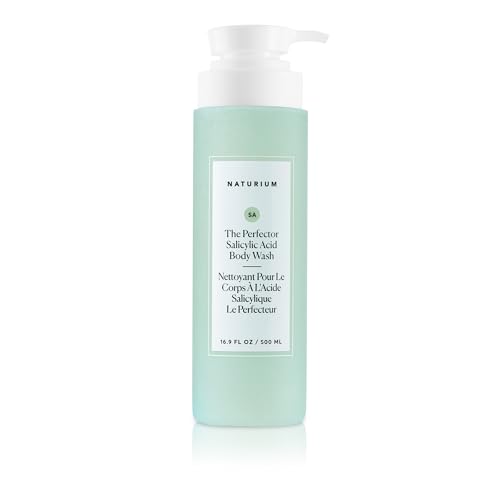
Her top recommendation? A benzoyl peroxide or salicylic acid body wash used consistently in the shower. “There are also benzoyl peroxide sprays now that can be really helpful for hard-to-reach areas,” she notes.
Other derm-approved habits include:
- Showering promptly after sweating
- Wearing breathable, loose-fitting clothing
- Avoiding heavy or occlusive products on acne-prone areas
If body acne becomes persistent, painful or begins scarring, it may be time to consult a dermatologist about prescription topical or oral treatments.
Calm post-hair removal irritation
Whether you shave, wax or use an at-home laser device, skin irritation can become more noticeable during the summer months.
To soothe redness and sensitivity after hair removal, Dr. Ahluwalia recommends looking for ingredients like:
- Niacinamide for calming inflammation and supporting the skin barrier
- Aloe vera for hydration and soothing relief
- Colloidal oatmeal to reduce redness and itchiness
If irritation is more severe, a low-strength hydrocortisone cream may help short term. One thing to avoid? Fragranced products immediately after hair removal, as they can further irritate freshly sensitized skin.


Streak-free self-tanner? Yes, please.
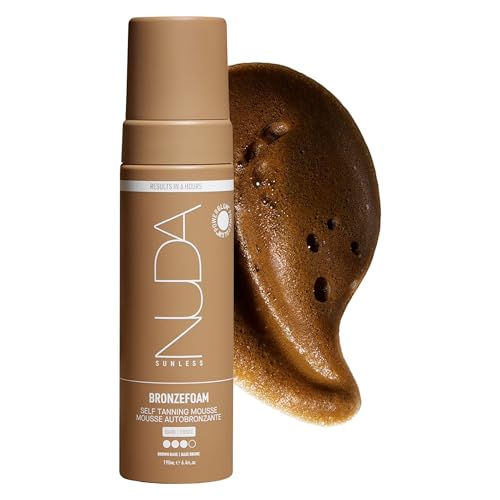
Sunless tanning is definitely the safer alternative to UV tanning–and according to Dr. Ahluwalia, most DHA-based self-tanners are generally suitable for all skin types. That said, those with sensitive or eczema-prone skin should patch test first, while acne-prone individuals should opt for non-comedogenic formulas whenever possible.
For the most even application, proper exfoliation beforehand is essential. “It helps prevent patchiness and uneven results,” she explains.
At the end of the day, great summer skin doesn’t come from perfection–it comes from consistency. And according to Dr. Ahluwalia, keeping things simple is often the smartest approach of all.

You may also like:
Medicube Deep Vita C Capsule Cream – $30.99
Paula’s Choice Pro-Collagen Multi-Peptide Booster Serum – $84
Grace & Stella Under Eye Masks – $23.95
© 2026 Global News, a division of Corus Entertainment Inc.
