

- Critical hospital bacteria driving rising treatment failures.
- Drug-resistant tuberculosis remains major national threat.
- Unregulated antibiotic sales worsening resistance crisis.
ISLAMABAD: Federal health authorities have warned that antimicrobial resistance in priority bacterial and fungal pathogens could kill more than 262,000 people in Pakistan over the next 25 years, The News reported on Monday.
According to the health authorities, drug-resistant pathogens causing sepsis, ventilator-associated pneumonia, difficult-to-treat urinary infections and drug-resistant tuberculosis were now among Pakistan’s most serious public health threats.
Pakistan has become the first country in the World Health Organisation’s Eastern Mediterranean Region to compile a national Priority Pathogen List, a document intended to guide hospitals, laboratories and policymakers on where to focus surveillance, infection prevention and the rational use of antibiotics across the health system.
The list places several hospital-associated bacteria in the “critical” category, including Enterobacterales, Acinetobacter baumannii and Pseudomonas aeruginosa, organisms frequently involved in life-threatening bloodstream infections, ventilator-associated pneumonia and complicated urinary tract infections in intensive care units.
These bacteria have developed resistance to multiple antibiotics, making infections harder to treat and increasing the risk of death in already critically ill patients, a senior official at the National Institutes of Health (NIH) Islamabad told The News.
The official said drug-resistant tuberculosis also features among the most critical pathogens, underlining Pakistan’s ongoing struggle with multidrug-resistant TB, which requires prolonged and costly treatment and remains a major cause of illness and death.
Two other critical pathogens on the list, Enterococcus faecium and Staphylococcus aureus, are major causes of bloodstream and wound infections in hospitalised patients, and rising resistance in these organisms is complicating treatment options.
According to the national priority list, the official said, antimicrobial resistance already contributes to a large number of deaths in Pakistan each year. He warned that without stronger infection control, better prescribing practices and improved diagnostic capacity, the overall number of deaths linked to drug-resistant infections could exceed 262,000 over the next quarter century, placing a severe burden on an already stretched health system.
The pathogen list categorises bacteria into critical, high and medium priority groups based on their public health impact and levels of resistance in clinical settings. High-priority pathogens include Salmonella Typhi, non-typhoidal Salmonella, Shigella and Campylobacter, which are major causes of food- and waterborne diarrhoeal disease, as well as Neisseria gonorrhoeae, where growing resistance threatens the effective treatment of sexually transmitted infections.
Medium-priority organisms include Streptococcus pneumoniae and Haemophilus influenzae, which remain leading causes of pneumonia and meningitis, along with Vibrio cholerae, responsible for cholera outbreaks linked to unsafe water and sanitation.
The list also draws attention to fungal pathogens that pose serious risks in hospitals. Candida species, including the drug-resistant Candida auris, are increasingly causing difficult-to-treat bloodstream infections in intensive care units, while Aspergillus, Cryptococcus and Pneumocystis jirovecii cause severe infections in patients with weakened immunity.
Mucorales fungi, which cause mucormycosis, have also been included due to their association with severe disease in people with poorly controlled diabetes.
According to pharmaceutical industry representatives, Pakistan has a large and growing market for antibiotics, which is contributing to rising resistance. Industry estimates based on IQVIA data show that the overall pharmaceutical sector in Pakistan surpassed Rs1.049 trillion in retail sales in the year ending March 2025, though overall unit sales grew only modestly, suggesting that price increases rather than higher consumption mainly drove value growth. About Rs185 billion of the pharmaceutical market is made up of antibiotics, reflecting widespread demand for these drugs.
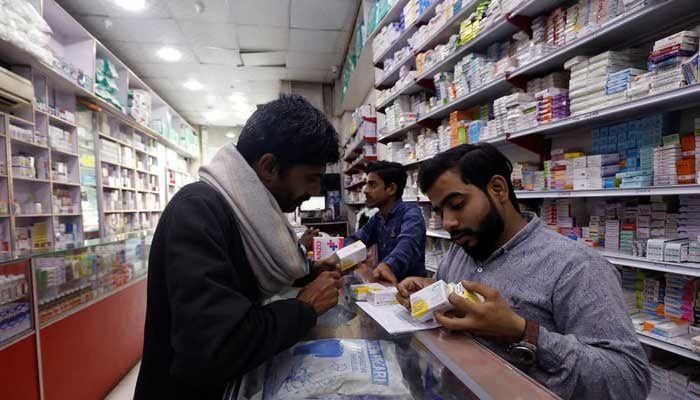
Medical experts say many antibiotics are prescribed or sold without proper diagnosis, contributing to misuse and overuse. A report citing the Drug Regulatory Authority of Pakistan’s figures noted that in 2023 around Rs126 billion worth of antibiotic medicines were used in the country, with a large proportion dispensed without prescriptions, a practice that fuels resistance and undermines treatment outcomes.
Public health authorities say the overuse of antibiotics, especially broad-spectrum “Watch” category drugs, is widespread in outpatient and hospital settings, and that cultural expectations for quick cures often drive patients and clinicians to use these medicines even when they are not needed.
Studies indicate that more than 70 per cent of antibiotic prescriptions fall into high-risk categories of overuse, raising concerns about the long-term effectiveness of existing antibiotics.
Experts warn that rising resistance in both common and critical pathogens will make routine procedures such as surgery, childbirth and cancer treatment riskier if new antibiotics are not developed and existing ones preserved. They call for tighter control of antibiotic sales, stronger enforcement of prescription laws, sustained investment in diagnostic laboratories, and better infection prevention practices in hospitals and clinics.
Officials said the priority pathogen list will be used to strengthen surveillance systems, guide laboratory investments and inform national strategies on antibiotic stewardship, in line with Pakistan’s National Action Plan on Antimicrobial Resistance 2024–2029.
