


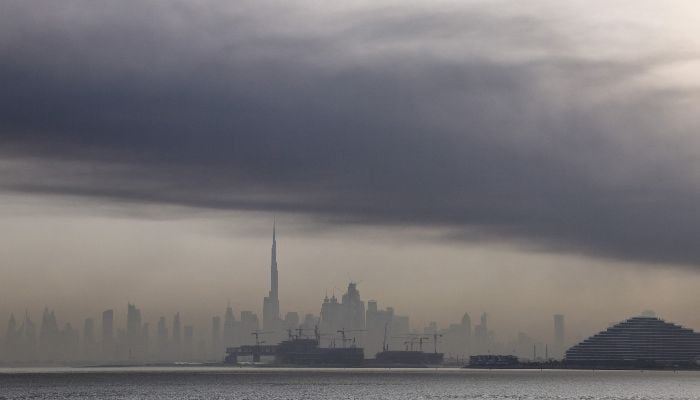
PARIS: Here are the latest economic events in the Middle East war on Friday:
Kharg Island bombed
President Donald Trump said the US heavily bombed military targets on Iran’s Kharg Island, which handles almost all of the country’s crude exports, and threatened to hit the island’s oil infrastructure.
“I have chosen NOT to wipe out the Oil Infrastructure on the Island. However, should Iran, or anyone else, do anything to interfere with the Free and Safe Passage of Ships through the Strait of Hormuz, I will immediately reconsider,” Trump posted.
Trump administration officials have been reported as saying that capturing Kharg is on the table as the war in the Middle East persists.
US allows Venezuela fertiliser imports
Washington on Friday authorised imports of fertiliser from Venezuela, whose leader it deposed in January, as the US-Israel war against Iran drives up prices of the key agricultural commodity.
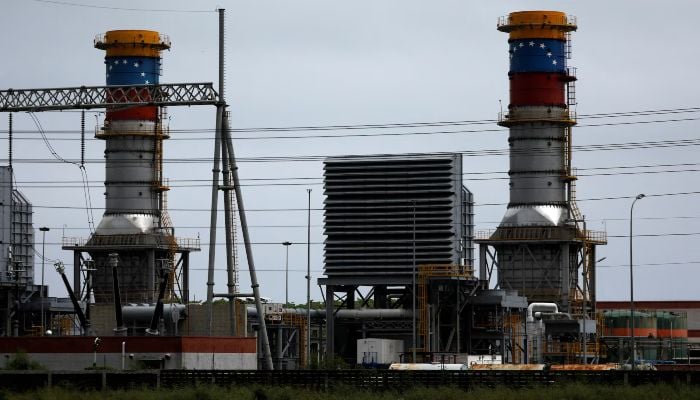
Washington has issued new licenses as part of the ongoing easing of its sanctions on Venezuela’s energy sector. In addition to oil and gas, the licenses now include trade in fertilisers, including urea and phosphates.
Brent surges 11% over week
The price of a barrel of Brent crude, the international benchmark for oil, soared by 11% over the week to $103.14 at Friday’s close, while stocks slipped.
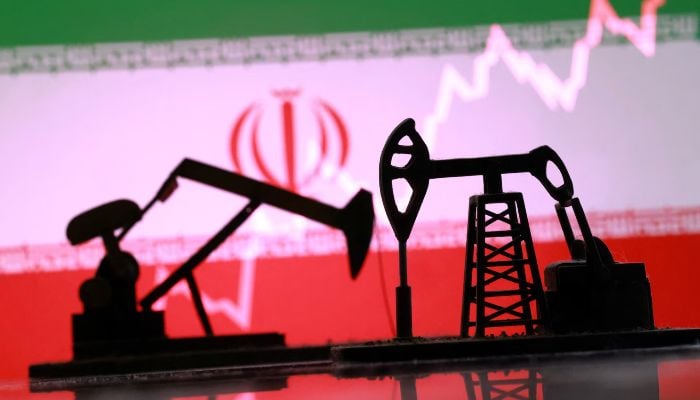
Brent prices have rocketed more than 42% since US-Israeli strikes on Iran plunged the oil-rich Middle East into war.
Pushback on easing Russia sanctions
The US Treasury Department said it would temporarily allow the sale of Russian oil that is at sea as energy prices soared, triggering pushback.
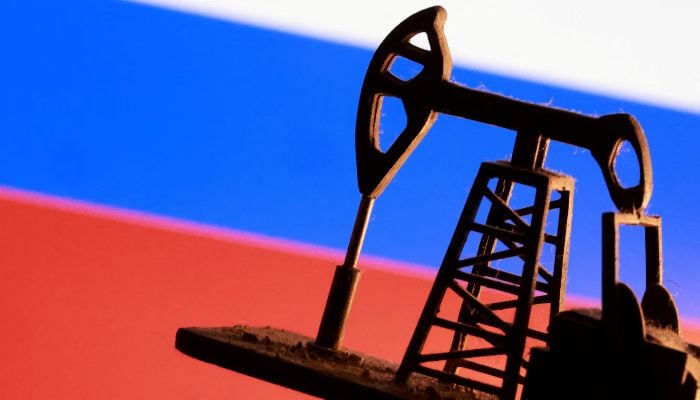
The leaders of France, Germany and EU chief Antonio Costa all spoke out against the idea.
Russia’s economic envoy Kirill Dmitriev said the global energy market “cannot remain stable” without his country’s oil.
Only 77 ships have traversed Hormuz: Lloyd’s
Only 77 ships have so far crossed the Strait of Hormuz in March as the war disrupts one of the world’s most vital shipping routes, a maritime data firm reported Friday.
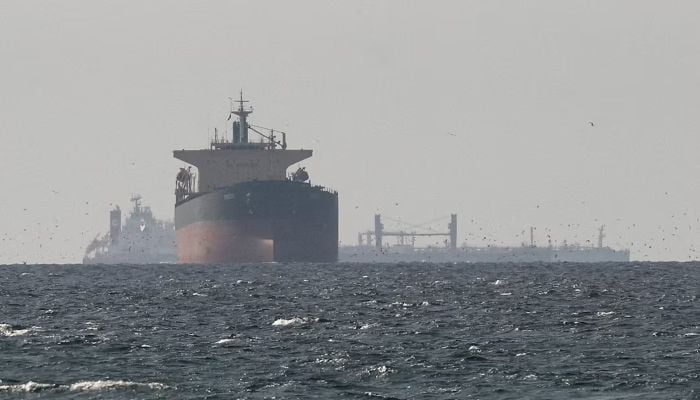
Lloyd’s List Intelligence said most of the vessels belonged to the so-called shadow fleet of ships being used to skirt Western sanctions and regulations, typically linked to Russia and Iran.
It added during the period of March 1 through 11 last year, around 1,229 vessels made the passage through the waterway.
20 ships attacked trying to transit Hormuz
Twenty oil tankers and cargo ships have been attacked since the war began, according to AFP monitoring with British maritime security group UKTMO and other sources.
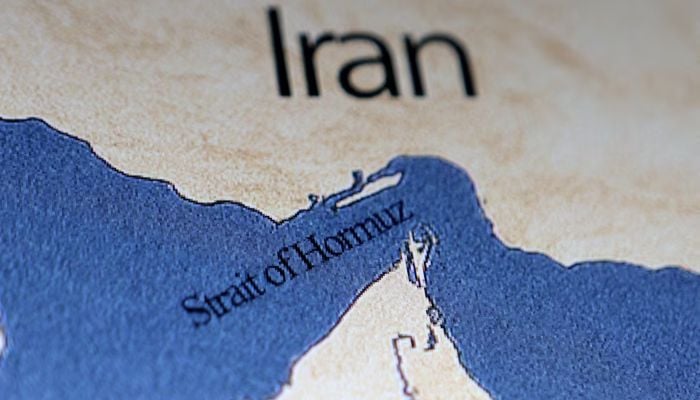
But a Turkish-owned ship was able to cross the Strait of Hormuz with Iran’s permission, Turkiye’s transport minister said.
Serbia, Portugal cut fuel tax
Serbia’s government temporarily cut fuel taxes by 20%, with its energy ministry saying the excise duties on petrol and diesel would be reduced from Friday until April 15.

Portugal also said it was renewing a temporary cut to fuel taxes, with officials adding that the cut would apply to petrol and diesel.
African nations have limited oil reserves
Fuel shortages caused by the war could knock up to three percentage points off African economic growth if they persist, a top regional energy regulator told AFP.
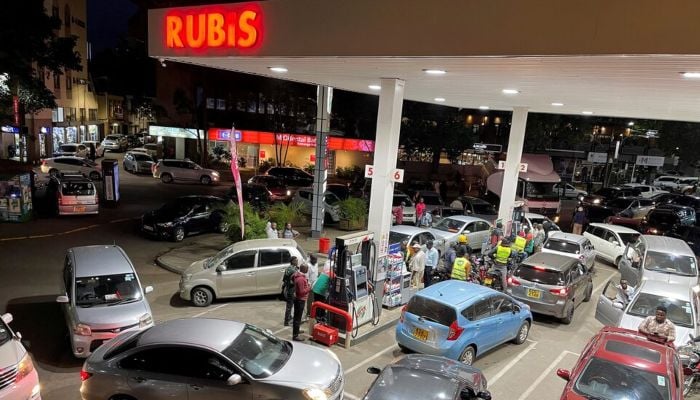
Most African countries have fuel reserves for just 15 to 25 days, compared to the International Energy Agency standard of 90 days, said Geoffrey Aori, CEO of the Regional Association of Energy Regulators for Eastern and Southern Africa.
He called on African governments to introduce fuel rationing and subsidies to cushion the blow of inflation and weakening currencies in the short term.
6 million air passengers affected
More than six million air passengers travelling to or from the Middle East have had their flights cancelled since the start of the war, according to the aviation data specialist Cirium.
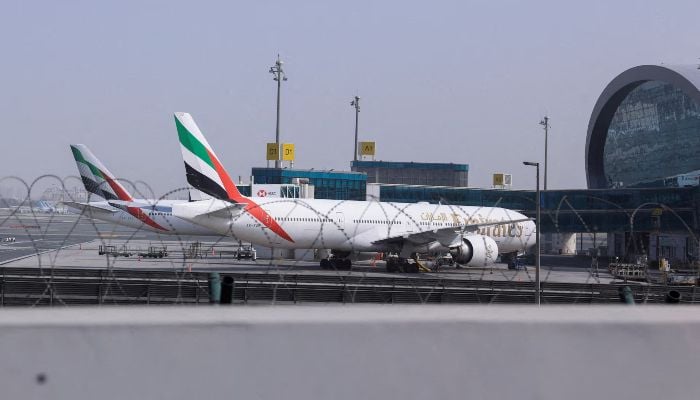
It said more than 52,000 out of 98,000 scheduled flights have been called off.
Nepal restricts cooking gas
Nepal has started selling half-filled cooking gas cylinders to curb hoarding and panic buying, officials said, following import disruptions due to the war.
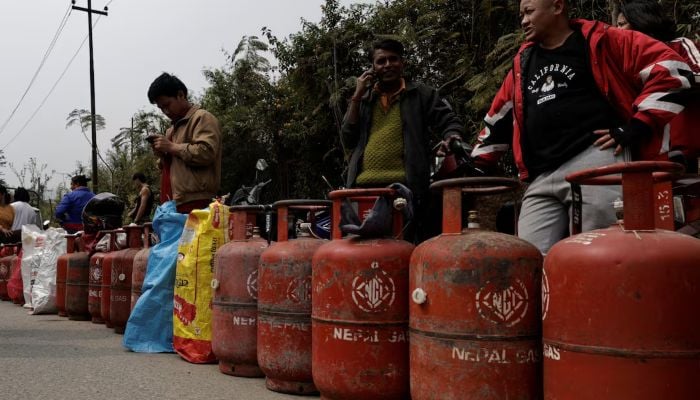
The landlocked Himalayan nation of 30 million relies almost entirely on India for the transportation of its fossil fuel needs, and around 90% of India’s liquefied petroleum gas passes through the Strait of Hormuz.
