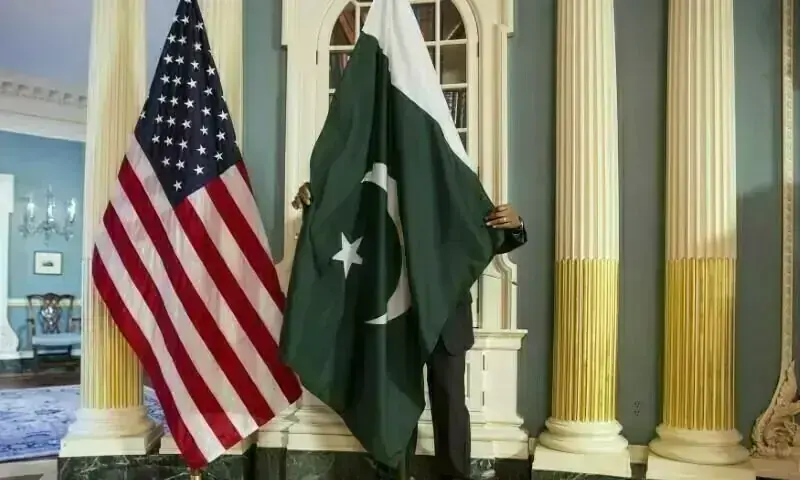
The US Trade Representative has proposed new duties targeting 60 economies, including Pakistan and India, for alleged failures to act against forced labor, as the Trump administration seeks to rebuild its tariff agenda following legal setbacks.
The proposed tariffs range from 10 percent to 12.5 percent, according to a government filingand they will undergo a public comment period before a final decision is made.
The move comes months after Washington launched investigations into trading partners, including China, the European Union (EU) and Japan.
The probes looked into whether they took action against the import of goods made with forced labor, and if this impacted US commerce.
On Tuesday, the USTR said that 54 of the economies “failed to impose and effectively enforce a forced labor import prohibition”.
This group includes China, Vietnam, Taiwan, the United Kingdom and India.
Six other economies — Canada, Ecuador, the EU, Indonesia, Mexico and Pakistan — were deemed not to have effectively enforced such prohibitions.
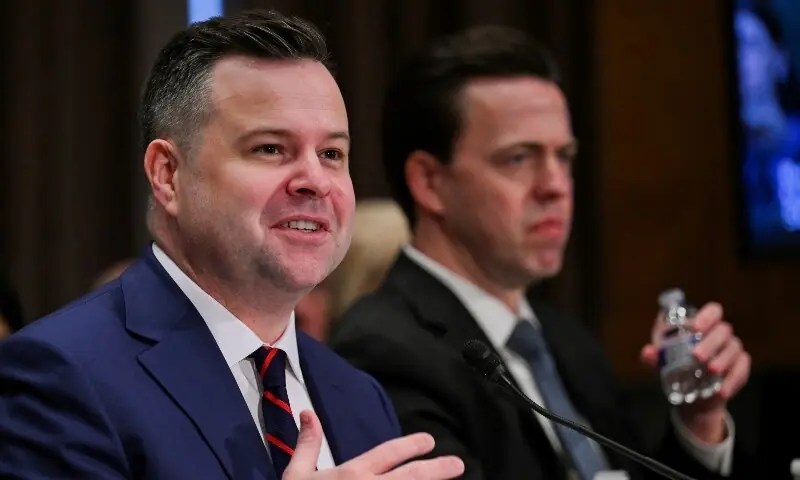
“The failure of our most important trading partners to address the importation of goods made with forced labor is unacceptable,” USTR Jamieson Greer said in a statement.
“This creates a dynamic where American workers are forced to compete globally on an uneven playing field,” he added.
“We will no longer tolerate this disparity,” he said, adding that “each of our trading partners must do more to ensure that trade does not perversely encourage and entrench forced labor globally”.
The USTR said it determined that it would impose 10pc duties related to the forced labor investigation on imports from Canada, Ecuador, the EU, Indonesia, Mexico, Pakistan, Argentina, Bangladesh, Cambodia, El Salvador, Guatemala, Indonesia, Malaysia, Taiwan and Britain.
The trade agency said it would impose additional duties of 12.5pc on the remaining 45 countries that it investigated.
But the proposed tariffs come with various exemptions such as beef, coffee and certain fruits and nuts.
Goods from Canada and Mexico that comply with a North American free trade pact will also be exempt — as will certain textiles and apparel.
The public is invited to provide written comments by July 6, and the USTR will subsequently hold hearings.
The announcement comes ahead of the July 24 expiration of a 10pc temporary tariff imposed by the Trump administration on February 20, the day the Supreme Court struck down US President Donald Trump’s tariffs under the International Emergency Economic Powers Act.