

- Poverty stood at 21.9% in 2018-19.
- Official figures expected today.
- Labour Force Survey also expected.
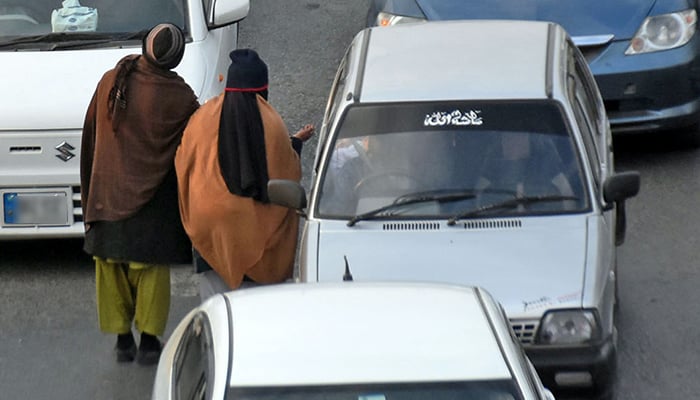
ISLAMABAD: Poverty has increased over the past six years in the country, with the latest estimates suggesting that 28.8% of the population is living in the clutches of poverty in 2024-25.
According to official figures, poverty stood at 21.9% in 2018-19. However, over the last six years, it has risen by almost 6.9% to reach 28.8%, according to the latest poverty estimates based on a survey conducted in 2024-25. Poverty has increased across the provinces as well, particularly in Punjab and Sindh.
“Owing to various factors — including three IMF stabilisation programmes over the past six years, the effects of Covid-19, commodity super-cycles, soaring inflation, lower GDP growth rates, two super floods and abandonment of wheat support prices — poverty levels in Pakistan have surged,” top official sources confirmed while speaking to The News here on Thursday.
Ahsan Iqbal, Federal Minister for Planning, is expected to release the official poverty figures for 2024-25, probably on Friday (today).
When contacted on Thursday, Chairman of the Poverty Estimation Committee, Dr G M Arif, confirmed that the committee has submitted its recommendations and report to the government. However, he declined to comment when asked about the exact poverty prevalence rate in Pakistan.
Sources said that poverty in Punjab, Sindh and KP has increased, while Balochistan has witnessed a slight rise. National poverty has increased from 21.9% in 2018-19 to 28.8% in 2024-25. In the recent past, poverty had begun to decline, but in 2024-25, this trend reversed, with poverty rising sharply by 6.9% over a six-year period.
According to a notification issued by the Ministry of Planning, Development and Special Initiatives, following the completion of the Household Integrated Economic Survey (HIES) 2024-25, and in line with the ministry’s mandate to estimate national poverty and inequality figures, Minister for Planning Ahsan Iqbal constituted a 17-member high-powered Poverty Estimation Committee.
The committee was led by Chairperson Dr G M Arif, former Joint Director of Pakistan Institute of Development Economics (PIDE).
According to official sources, the government calculates poverty using the Cost of Basic Needs (CBN) approach, adjusted by CPI-based inflation, to determine the threshold.
The percentage of people living below the poverty line had shown a declining trend from 50.4% in 2005-06 to 21.9% in 2018-19. Poverty in both rural and urban areas had also decreased, with a poverty headcount of 11% in urban areas and 28.2% in rural areas in 2018-19.
When Pakistan shifted to a CBN-based approach, it consulted a World Bank expert on poverty measurement.
In Pakistan, growth rates and poverty declined simultaneously, whereas in Vietnam, both growth and poverty registered an increase, prompting a re-adjustment of the poverty line there. The government has also undertaken the Labour Force Survey, which is expected to be released soon.
Originally published in The News
